
Start With Clear Goals and a Child-Focused Mindset
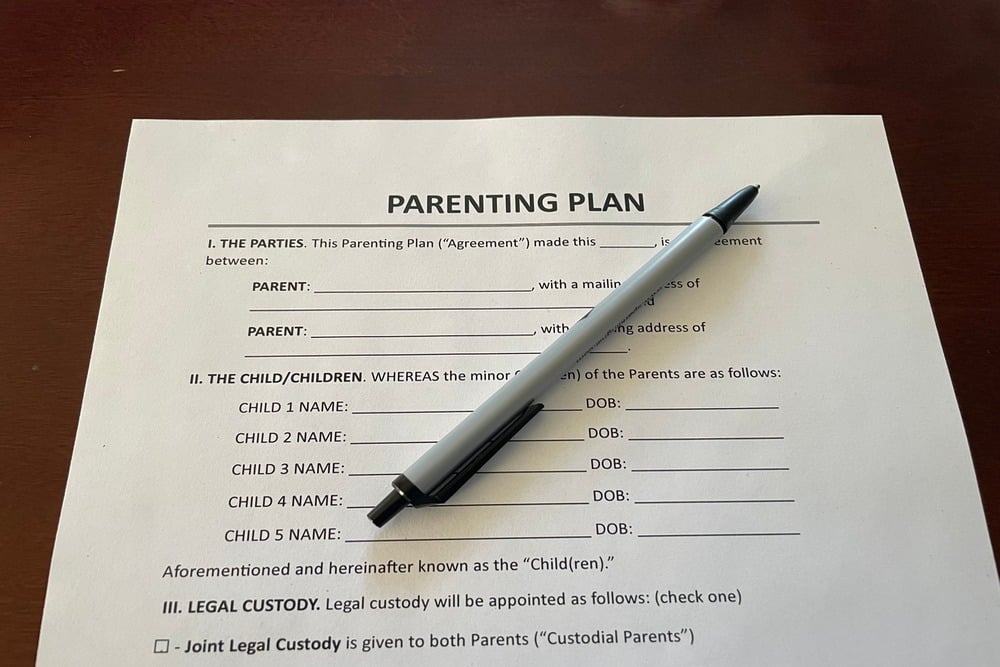
When you begin shaping a parenting plan, the most critical step is setting clear goals rooted in your child’s daily life. You are not just filling out a legal document; you are building a practical guide that will affect routines, emotions, and long-term stability. A plan that reduces conflict starts with honesty about what your child needs at each stage of development. Think about school schedules, extracurricular activities, friendships, and downtime. When you focus on these details from the start, you are less likely to leave gray areas that later turn into disagreements. This approach also helps you step away from past relationship tensions and keep conversations centered on your child’s well-being rather than unresolved disputes between adults.
Define Schedules With Precision and Flexibility
A strong parenting plan spells out schedules that leave little room for confusion while still allowing reasonable flexibility. You want to clearly address regular parenting time, holidays, school breaks, and special occasions. Vague language like “reasonable visitation” often leads to frustration and repeated court visits. Instead, you benefit from specific start and end times, precise exchange locations, and agreed-upon holiday rotations. At the same time, flexibility matters. Life changes, and children grow. By including guidelines for mutually agreed schedule adjustments, you create space for cooperation rather than conflict. A well-written schedule reduces stress because both parents know precisely what to expect and how to handle changes.
Address Decision-Making and Communication Expectations
Conflict often arises not from parenting time itself, but from disagreements over decisions and communication. Your parenting plan should clearly explain how major decisions will be made regarding education, medical care, religious upbringing, and extracurricular activities. You also want to outline how information will be shared, whether through email, a parenting app, or scheduled check-ins. Clear expectations help you avoid misunderstandings and emotional exchanges that escalate quickly. When communication rules are set in advance, you are less likely to argue about tone, timing, or access to information. This clarity supports consistency for your child and reduces the risk that minor issues will escalate into court-level disputes.
Plan for Conflict Resolution Before Conflict Happens
Even the most thoughtful parenting plan cannot prevent every disagreement. What it can do is give you a roadmap for resolving issues without returning to court. Including a conflict-resolution process, such as mediation or a required discussion period before filing motions, helps you slow down reactions and focus on solutions. This step encourages problem-solving instead of blame. When you know there is a defined process to follow, emotions are less likely to take control. Courts often look favorably on plans that show an effort to handle disputes responsibly, which can save you time, money, and emotional energy in the long run.
Build a Plan That Supports Stability and Legal Strength
A parenting plan that truly reduces conflict balances practical detail with legal clarity. It should be thorough enough to guide daily life while remaining clear and enforceable in the event of disagreements. You benefit from reviewing your plan carefully to ensure it reflects your child’s best interests and aligns with court expectations. Brooks Family Law can help you create a parenting plan that minimizes uncertainty, organizes key details correctly, and supports smoother co-parenting over time. By working through the process with experienced guidance, you put yourself in a stronger position to reduce future court involvement and protect your child’s sense of stability. To get support with creating or updating a parenting plan that fits your situation, call (602) 887-4080 or email jonathan@bflaz.com to schedule a consultation.
Related articles

Establish paternity and secure parental rights, custody, and support arrangements with confidence.

Establish paternity and secure parental rights, custody, and support arrangements with confidence.

Establish paternity and secure parental rights, custody, and support arrangements with confidence.